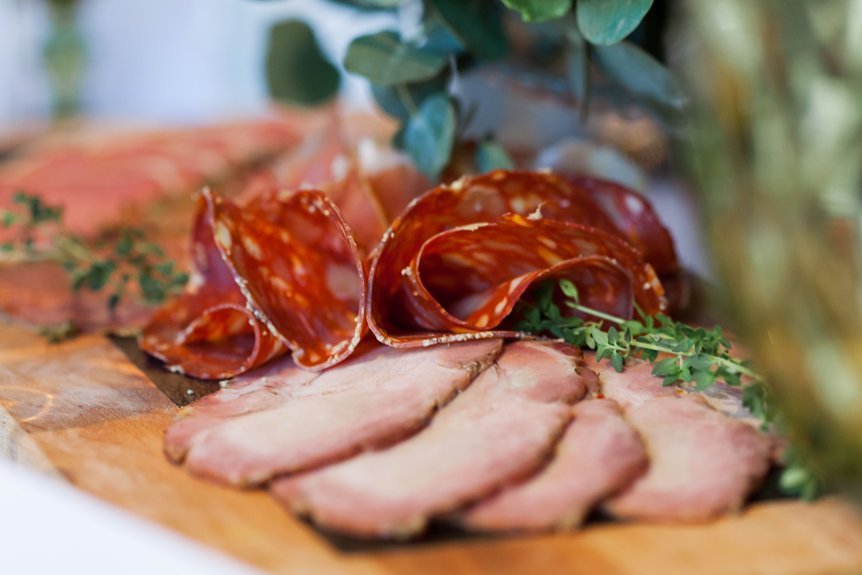

Charutbaye emerges as a disciplined craft, where each decision shapes texture, aroma, and balance. The guide surveys what defines the board, from cut selection to curing tempo, with careful attention to technique and timing. It invites scrutiny of the interplay between smoke, salt, and ambient temperature, all anchored by a clear narrative of tradition and method. The potential for refinement hints at deeper subtleties awaiting exploration, should one pursue the nuances beyond the surface.
What Is Charutbaye and Why It Impresses
Charutbaye is a distinctive culinary creation whose name hints at its layered, delicate structure and regional roots. It embodies careful assembly, balanced textures, and aromatic contrasts that entice curiosity. Its allure lies in technique and narrative, not spectacle.
Charutbaye history informs its lineage, while charutbaye terminology clarifies components, methods, and criteria, guiding enthusiasts toward informed appreciation and precise replication.
Selecting the Right Cuts for Charutbaye Boards
This phase moves from understanding the concept to shaping the board, focusing on the selection of cuts that balance flavor, texture, and stability. Charcuterie boards emerge through deliberate choice: lean slices, marbled cuts, and varied shapes contribute contrast. Consider knife work and arrangement on cutting boards, ensuring accessibility, harmony, and bite-sized portions across diverse tastes on the board.
Mastering Cure, Smoke, and Timing Techniques
Culinary science meets craft when cure, smoke, and timing techniques are deployed to transform raw cuts into nuanced Charutbaye components.
The segment analyzes curing techniques with disciplined temperature control and salt–sugar balance, then examines smoke profiles, noting wood types and exposure duration.
Precision guides yield textures, aromas, and flavors that echo freedom, clarity, and purposeful culinary exploration.
Plating, Pairings, and Practical Serving Tips
The discussion now shifts from perfected curing and nuanced smoking toward the finishing touches that elevate Charutbaye on the plate: plating aesthetics, thoughtful pairings, and practical serving strategies. The narrative examines plating aesthetics and plate choreography, then clarifies Pairing contrasts—textures, temperatures, and flavor dialogue—ensuring portions invite exploration. Attuned servers optimize presentation, temperature, and bite, fostering freedom to savor refined, deliberate combinations.
Frequently Asked Questions
How Long Does Charutbaye Last After Opening?
Charutbaye shelf life after opening varies with storage, but it typically remains best within two to four weeks; charutbaye freshness gradually declines as exposure to air and moisture increases.
What’s the Ideal Thickness for Charutbaye Slices?
Charutbaye slicing favors an ideal thickness of about 1/4 inch, enough to maintain structure while releasing aroma. The approach balances delicate texture with bite, inviting experimentation for those who seek freedom in culinary expression.
Can Charutbaye Be Frozen Without Quality Loss?
A hypothetical kitchen case shows charutbaye freezing can preserve structure for months. Charutbaye leftovers thaw slowly with some moisture loss, but quality remains acceptable. Freezing detail: airtight wrap, cold storage, gradual thaw, careful rehydration, texture maintained.
Which Wood Chips Best Complement Charutbaye?
Charutbaye pairing favors subtle hardwoods; best wood chips recommendations lean toward maple, cherry, and oak for balanced sweetness and smoke. The inquiry remains curious, precise, and descriptive, inviting freedom in flavor exploration without overpowering the character of charutbaye.
How Do You Store Charutbaye Leftovers Safely?
“Leftovers should be refrigerated promptly.” The guidance notes storing leftovers safely, following safety guidelines; the piece suggests slicing thickness uniformity, then storing sealed portions, labeling dates, and reheating to serving temperature before savoring with freedom-loving cooks.
Conclusion
In the quiet kitchen, Charutbaye is a map drawn in smoke and salt. Each slice is a bookmark, marking time’s patient advance. Cure and cure again, like seasons turning leaves; boards become stages where flavors whisper, then stand still. The serving tray, a sunlit horizon, gathers stories as they drift toward the palate. A ritual of balance—texture meeting glaze, heat meeting patience—until the plate finally speaks, and diners read its composed, emblematic ending.